I began this blog to talk about how and why I was able to recapture my life by losing weight. The inaugural post was titled “Fat, Fifty and Fatigued,” and I meant every word of it. I do regular check-ins to see if I am happy with where I stand from a health standpoint. The honest answer lately is no. Since leaving academia to return to the financial field, some of the weight has crept back. The schedule changed, the rhythms changed, and somewhere in the transition the habits I had built started to erode. So recently I decided to begin the journey again. To get back to where I was, and maybe further. To do that, I need to go back to where it started. It all started with a picture.
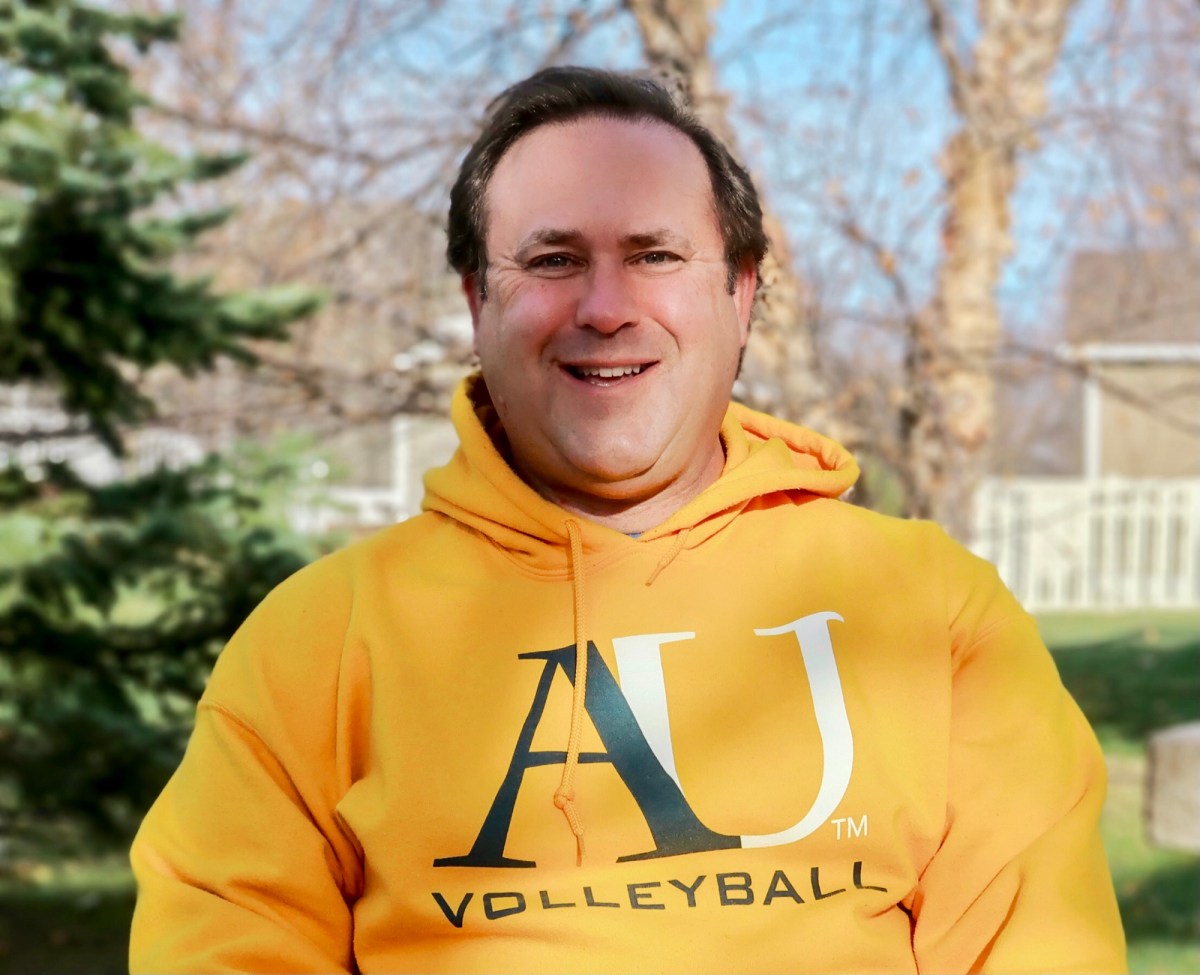
The picture was taken on a Thursday, a week before Thanksgiving, 2020. It was warm enough that wearing a hoodie felt like a small act of rebellion against the season. I was teaching from my home office, which meant I could wear whatever I wanted, and I wanted everyone to know it. So I took a picture and posted it. Look at me. No tie. No commute. Just a guy in a hoodie, conducting class from his living room, winning the pandemic. And then I looked at my face in that picture, really looked at it, and the joke stopped being funny.
That was the moment. Not a doctor’s appointment, not a conversation with anyone who loved me. A selfie.
That picture was taken in the middle of one of the strangest falls any of us can remember. The country was a mess, and I was not in great shape either. The election had been called but half the country wasn’t ready to accept it. COVID was getting worse, not better. And every time you turned on the news, someone was talking about who was most at risk. They kept using the word comorbidity. I had to look it up the first time I heard it. It basically means the conditions that make you more likely to die. Obesity was on the list. High blood pressure was on the list. I had most of the list, and I felt it every day. Every night when the heartburn woke me up. Every time I caught myself in a picture and looked away. I was not just overweight. I was a walking risk factor and I had been for years, and until that Thursday in November I had been very good at not thinking about it too hard.
My oldest brother died that September, two months before I took that picture. Both of my brothers were born with extra DNA that hindered their development, leaving them vulnerable not just to viruses but to complications most of us never have to think about. COVID found him anyway. I was still carrying that loss when I posted the hoodie picture, still in that strange suspended grief where you go through the motions of normal life because there is nothing else to do. One week after I made the decision to start losing weight, my other brother came down with COVID. There were some touch and go moments. We made the call to get him to the hospital where he had a fighting chance. Unlike my oldest, I was able to visit him. He was there for a couple of weeks, and then he came home. He is still with us today. And somewhere in those weeks of waiting and visiting and hoping, I kept going. Because I had just watched COVID take a man who had no choice about his vulnerabilities. I had a choice. I was not going to waste it.
At my peak, according to my scale, I weighed 252 pounds. I had never said that out loud before I wrote it in 2021, and even then it felt strange to put it in public. There it is. I didn’t want to be a statistic. I didn’t want my family to lose me the same year they had already lost so much. So I started.
The timing helped, and if you read last week’s post, you already know why. A semester doesn’t wind down gradually. It collapses. Around Thanksgiving the intensity breaks, the calendar starts to breathe, and for the first time since August there is actual white space. That is what I had in November 2020. A picture I could not stop thinking about, a grief I was still learning to carry, and for the first time in a long time the capacity to focus on something I could actually control.
By 2022 I was at 186. Everything got better. The knees stopped hurting. The acid reflux that had woken me up almost every night for years was just gone. I bought new clothes in sizes I hadn’t worn since college. I felt like myself again, or maybe a version of myself I had given up on finding.
And then, gradually, some of it came back.
The financial world doesn’t have semesters. There is no Thanksgiving wind-down, no January slow start, no built-in breathing room. The days got longer, the schedule got tighter, and the habits I had built around a particular kind of life stopped fitting the new one. I didn’t lose the plot all at once. It happened slowly, one small compromise at a time, until I did a check-in one day and didn’t like what I found.
Here is what I know now that I didn’t fully understand the first time. Losing weight is hard. Keeping it off is a different kind of hard, and nobody really prepares you for that part. Motivation comes and goes. Discipline gets tired. The only thing that actually holds is knowing your why, specifically enough that you can find your way back to it when things go sideways. I have done this long enough to know that is true.
My why hasn’t changed. I don’t want to be a burden. I want to be around for the people who count on me. I want to feel the way I felt in 2022, when the knees didn’t hurt and the clothes fit and I had enough energy to actually show up for my life. That was true in November 2020 and it is true right now. The number on the scale has changed. The reason has not.
Focus. Facts. Forgiveness. That is the framework that worked for me the first time and it is what I am coming back to. Focus means knowing your why and keeping it close. The Facts piece means understanding what actually works, not what you hope will work. Forgiveness means accepting that setbacks are part of it, that starting over is not failure, it is just what comes next. Over the coming weeks I am going to walk through each one. If you are on this road too, I hope something here is useful. If you are just starting, welcome. You are in the right place.
Word count: 944 words.
 Sireadh Toileachas