What It Will Always Mean

What It Will Always Mean | A Baseball Essay

I was stuck for three days. Since I posted last Saturday’s piece about the measuring cups, I sat down more than once trying to find this week’s idea and came up empty every time. Nothing rough, nothing I could fix later. Just nothing.

Tuesday was the first day of the baseball playoffs, and I missed nearly all of it. A long day at work ran well past quitting time. By the time I finally shut the computer down, the Yankees and Red Sox were playing, two teams I have never rooted for and never will. A few years back I saw them play at Fenway, and even without a rooting interest, there is something about that ballpark that gets its hooks in you. Watching two teams I do not like, it hit me. I needed to write about baseball.

Baseball. What it has meant, and what it still means.

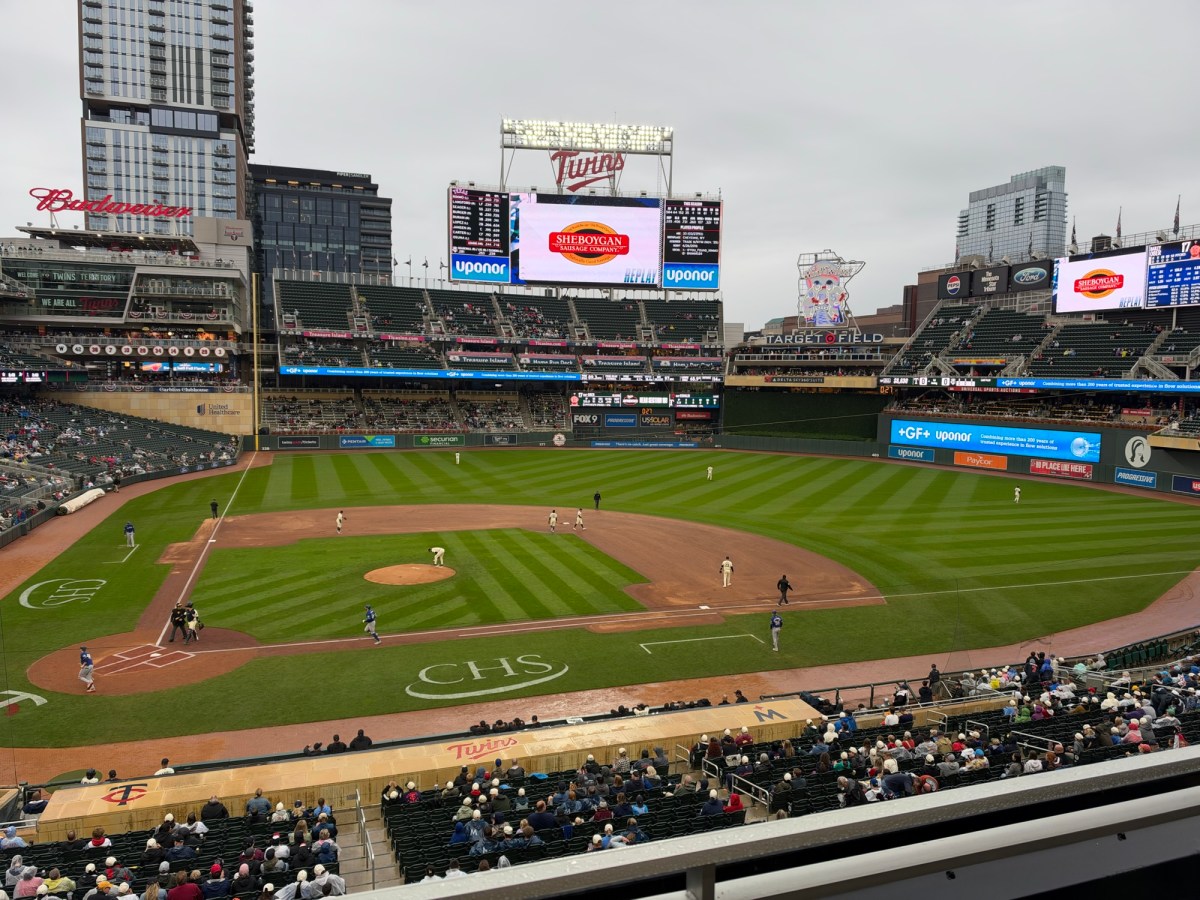
Three days earlier, on a Saturday, I was sitting at a table inside Target Field with two friends I have known for most of my adult life. They both live in the Twin Cities, so getting the three of us together should really just be a matter of picking a date that works. Except this year even that turned into its own project. We started talking about it back in April, floated several dates in May, settled on two of them, and then had to change both. It was not until a few weeks before the end of the season that we finally landed on this Saturday, the second-to-last day of the regular season.

We spent part of the morning worried the game would be rained out altogether, a concern we never had in the Metrodome days. But as we have often done, we met at a bar near the stadium first to catch up before heading over. By the time we walked to the ballpark, the news was official. First pitch, scheduled for 3:10, had been pushed back to 5:10.

Our seats were in the Thrivent Club, which will always be the Delta Club to me no matter how many times the sponsor changes. Padded seats, better food, and an indoor concourse made the two-hour wait considerably easier to take. We wandered the club for a while looking at pictures and memorabilia of past Twins greats. With the rain, we needed an inside home base, so we found a spot along the third base line, got some beer and a basket of peanuts, and picked up the conversation from the bar.

We have been going to these games for nearly forty years now, and every so often we try to reconstruct how it started. None of us is entirely sure our memories match the actual facts anymore, but we all tell the story the same way, so we have decided that is close enough. We talked about the games we could still see clearly, 1987 and 1991, the two years the Twins won it all, along with a handful of others that have blurred together over four decades of sitting next to each other.

Mostly, though, we talked about our lives. What was going on, what was good, and a few things that were genuinely bothering one of us. We even got into Istanbul, the Ottoman Empire, and how it all connects to today. We brought up old romantic interests, the ones from before any of us got married, and agreed, all three of us, that we had each ended up marrying above our station. We chose wisely, and we know it.

We used to talk about what our lives would look like in thirty or forty years. Now we are living in that future, and somehow, every time the three of us are together, it still feels like we are back in college. Except the conversation has changed. We do not talk about dorm rooms anymore. We talk about what retirement might actually look like. We talk about aging parents, the ones we have already lost and what that loss meant, and the ones we are still watching decline. We talk about people we care about who are struggling, in ways none of us would have known how to talk about when we were twenty.

None of us knew it at the time, but while we stood there with our beer and our peanuts, waiting out a rain delay in Minneapolis, Justin Verlander was making the final start of his career several hundred miles away in Detroit. I did not see any of it until I got back to the hotel that night. I pulled up the video and watched it more than once.

Verlander was pulled in the sixth inning. His manager walked out of the dugout, and everyone in the ballpark assumed they knew what came next, a handshake, a pat on the back, the long walk to the dugout. Instead, the manager pointed toward the stands. Verlander’s seven-year-old daughter came sprinting onto the field and out to the mound ahead of him. Verlander, one of the most decorated pitchers of his generation, stood there and cried while his own kid hugged him goodbye in front of forty thousand people. Then he walked off holding her hand, toward his wife and the rest of his family waiting at the edge of the field.

Eventually, the rain stopped. We finished our beers, left the club, and made our way to our seats. The seats were still wet. Maybe that was another reminder that ballparks change, too. The Metrodome was gone. The Delta Club had become the Thrivent Club. The three guys walking toward their seats were pushing sixty instead of twenty.

The Twins scored first. Texas answered with four runs in the second, added a couple more, and by the middle innings the outcome was becoming fairly obvious. We left early and checked the final score the next morning. Rangers 6, Twins 2. None of us had been there to see the end of it, and none of us minded.

Maybe that is my answer. Baseball is slow, and the slowness is the point. The game unfolds in front of you instead of being handed over all at once, and you have no choice but to sit inside that pace and let it happen.

That pace gives you time. Time to see the strategy, argue about it, and talk it through with whoever is sitting next to you. For three guys who have been doing this since college, the pause between pitches has always been the whole point. It is not dead time. It is the time we actually get to spend together, second-guessing a bullpen call or talking about life, the same way we have for forty years.

Baseball is also, mostly, a sport built on failure. This season, hitters around the league managed a hit in about twenty-four percent of their official at bats. Three out of four times, the answer was no. The best players in the world fail far more often than they succeed, and the game asks them to walk back to the dugout, sit down, and do it again the next time their name is called.

I think that is why it has stayed with me for most of my life. It is slow, and most of what happens on a baseball field does not work. And still, every so often, something does. A ball finds a gap. A daughter sprints onto a mound to walk her father off it for the last time. A rain delay turns into two hours you would not trade for a dry forecast.

There is a reason Field of Dreams ends the way it does, with Terence Mann standing at the edge of a cornfield talking about memory, about all that was once good, and about the chance that it could be again. He is talking about a game, but he is really talking about everything the game carries with it. Three guys standing around a high-top table with beer and peanuts, forty years in, know exactly what he means.

The Stories That Remain

I know I’m dating myself with this story, but still stories matter. Lately, I worry we are losing our ability to connect through them.

When I was in high school, Chicago released a song that became a staple at every dance. The lights would dim, and somewhere in the opening line—I guess I thought you’d be here forever—the gym suddenly felt much larger and much quieter. Teenagers stood shoulder to shoulder, unsure where to put their hands, hoping the song would end before anyone noticed they weren’t moving at all. Standing a little closer than usual felt like progress.

“You don’t know what you got until it’s gone.”

Forty years ago, those words were about a breakup. A boy and a girl. A slow goodbye.

Age changes lyrics. It sharpens them.

Both of my parents died when I was relatively young. Now I’ve reached the age where friends and colleagues are experiencing what I went through decades ago. I recognize the look. The stunned quiet. The way the world keeps moving while something essential has stopped.

When my parents died, I was devastated. They were far from perfect. But they were my parents, and I believe they did the best they could. As children, we only see one version of our parents. Mom and Dad. We don’t see the other hats they wear.

My parents held high-profile roles in our town. I understood that in theory. In practice, they were the people who packed lunches and asked about homework. My father wasn’t a public figure to me. He was the man who sat in the stands.

After they passed, people began telling me stories.

One day, a rancher came to see me. He was nearly six-foot-four, with large hands that looked like they had done real work. He had a military haircut and an imposing presence—the kind of man who fills a room without speaking. I had only ever known him as unshakable.

He stood in front of me and cried.

He told me how my dad had saved his life. Then he told me how my dad had saved his wife’s life too. He said he thanked God for Doc Harris and for what he did. Then he looked at me and said, simply, your dad was an amazing man.

I had never heard that story.

In that moment, my father became larger—and somehow closer. I learned about the quiet ways he showed up for people. The unseen hours. The choices I never knew about. And I understood that sometimes saving a life mattered more than making it to a baseball game.

When people die, all we really have left are the stories. If we don’t tell them, they disappear.

That’s why it matters to speak them out loud. To share them while we still can. Stories are how we keep people alive—not as they were in one role, but as they truly were.

You don’t know what you’ve got until it’s gone.

And sometimes, you don’t really know it until someone tells you the story.

So maybe today, reach out to someone and tell a story—about a parent, a friend, a moment that mattered—because maybe, just maybe, it will remind us of our shared human bond.

Behind Every Picture is a Story

It’s been a while since I posted here. I could provide a list of excuses but that is all they are. Today, I want to talk about pictures, the stories they tell, and the stories behind them.

I have always loved taking pictures. From my first Kodak Instamtic to my present Nikon Z6, I have loved to capture moments. I don’t like to stage the moments (which is why I abhor portrait photography). I refused to spend money on a “good” camera for many years because it was just a hobby. Then one year I asked my wife to buy me a camera for Christmas – which she did!

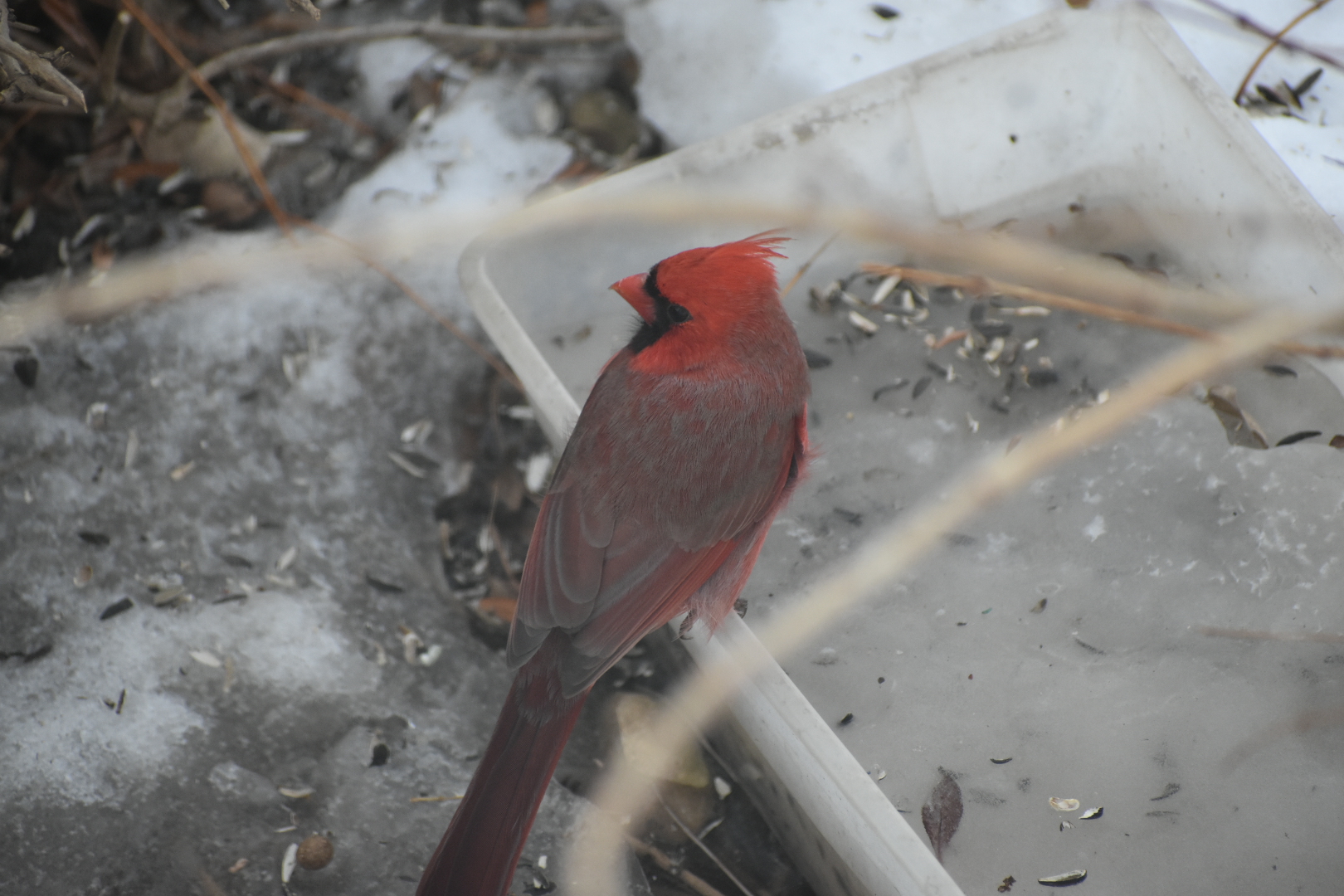
I started by taking pictures of the birds in our backyard. When the snow melted, I took pictures of my son playing tennis.
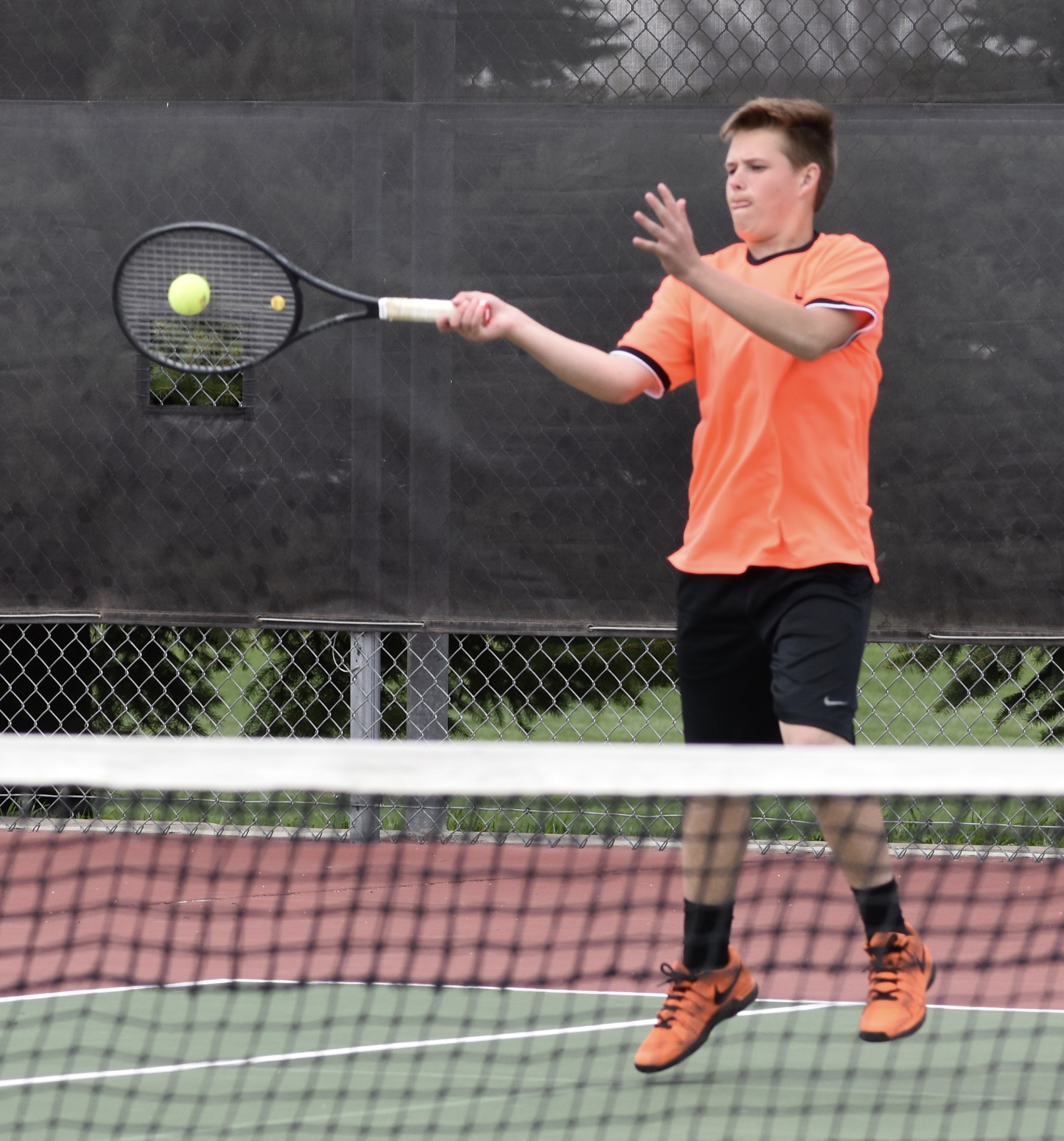
Any parent who has watched his/her child compete in sports understands how nerve-racking this can be. I found it calmed my nerves. It allowed me to enjoy watching my son and his friends play without excessive nervousness. So I kept doing it.

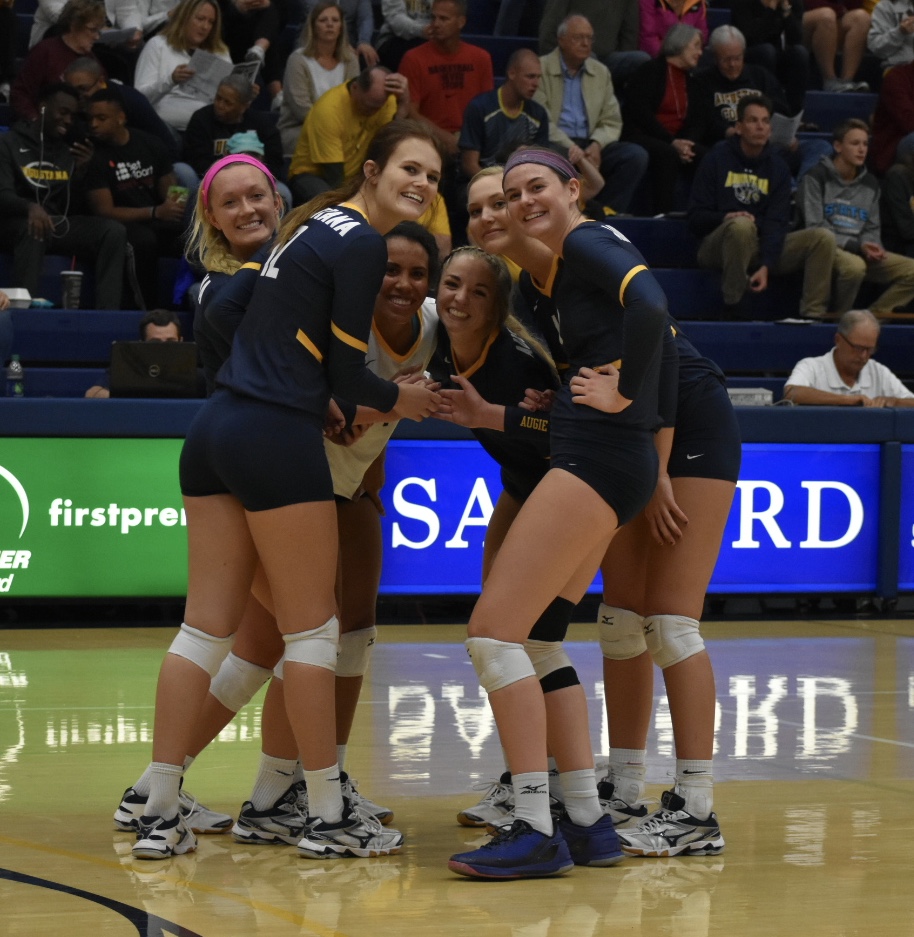
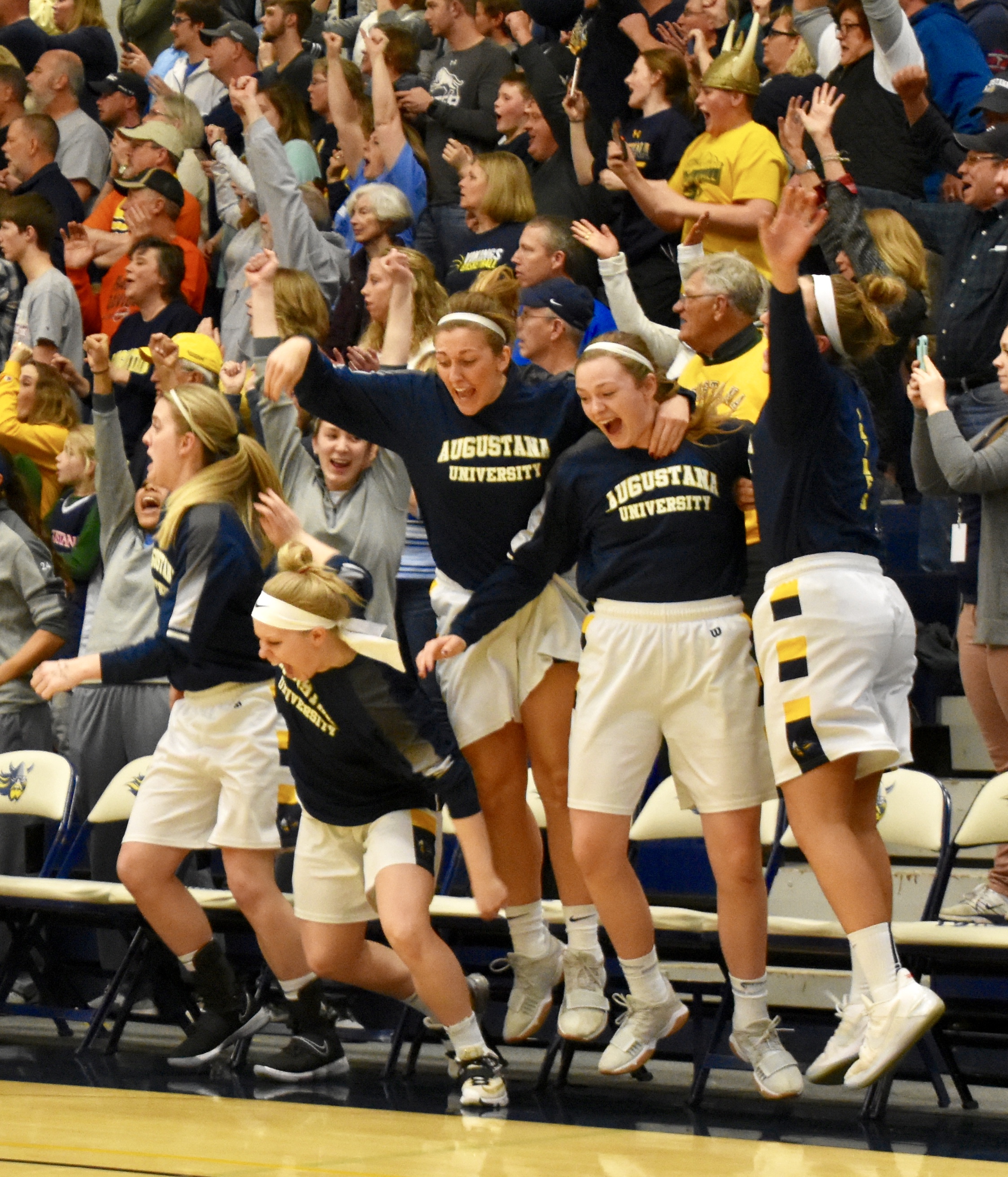
Taking pictures of my son playing tennis evolved into taking pictures of my son, his team, and his friends. Eventually, I started taking pictures at Augustana sporting events. Sharing the pictures with the student-athletes and coaches. (I have taken pictures at all sports except golf (I tried but got the time wrong), track, and cross-country (maybe someday).

(still my favorite picture)

Truth is, I am not very good but I occasionally get lucky. I have no formal training. For every picture that turns out, there are ten failures. I have spent countless hours going through the pictures and deleting them. Nobody sees that side of the hobby.

I try to capture moments – like this.

And action like this.

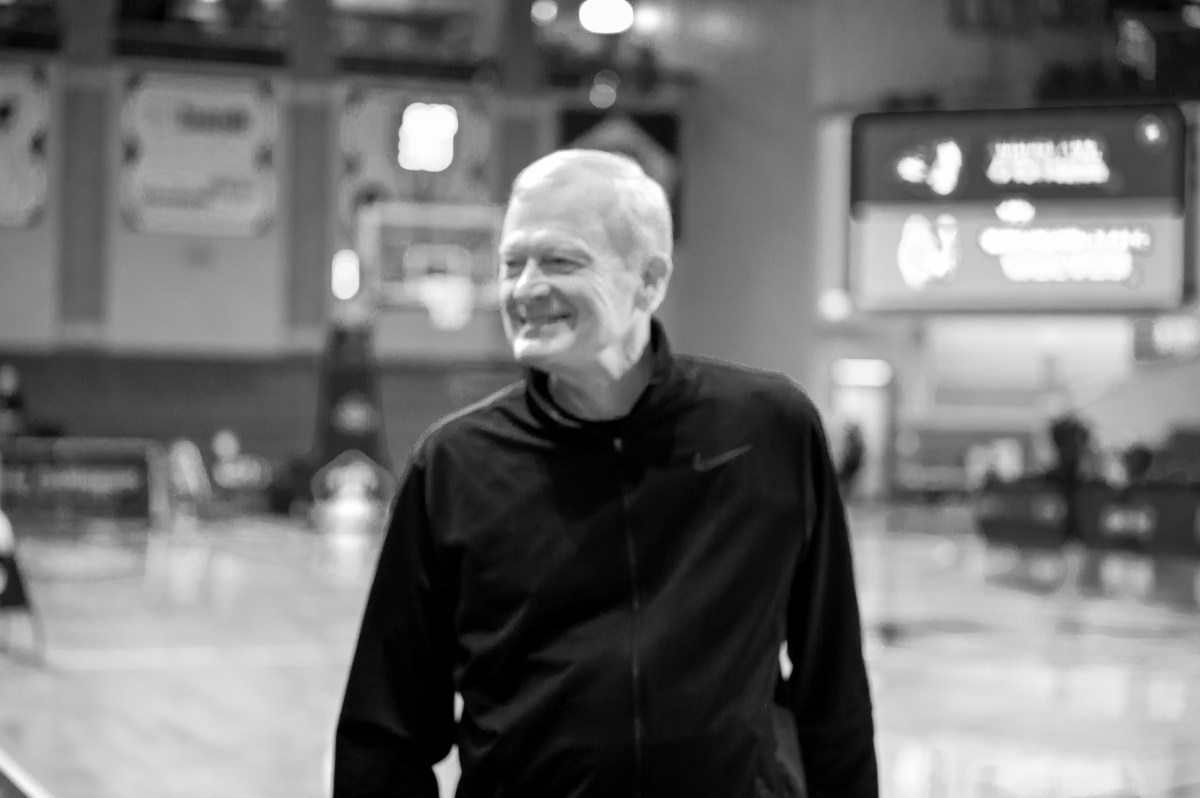
Behind every picture is a story. The picture at the top of this post has a great story. I will think of the story every time I look at it. It’s not a great-quality picture BUT it captured a moment. The picture is of legendary Augustana basketball coach Dave Krauth. Since 1989, he has been the Head Women’s Basketball coach at Augustana University. Thirty-two seasons with only one season below .500. He coached his last game this week. A heartbreaking one-point loss in the NCAA Tournament.

I took this picture a couple of weeks ago. It was taken during the pregame of his final coaching win. I was wandering around the arena during warmups. As Coach Krauth was heading into the locker room, a fan named Scottie (if have been to Augie games you know who this is) began thanking Coach Krauth for his service and wishing him good luck in the game. It was a special conversation. As the conversation started, my camera was off and the lens cap was on. I noticed the smile on Coach Krauth’s face. It was genuine, kind, and rare in the arena. Quickly, I turned my camera on, removed the lens cap, and tried to capture the moment.

My autofocus didn’t fully focus and my framing was off. Yet, I mostly captured this moment. This picture will always be special to me because I know the story behind the picture. And now you know the rest of the story.

The importance of stories

This picture is of my mom and her dad.  There is no date on the picture, but she looks about 2 or 3 years old. Even at this age, her smile lit up a room. I never met her dad. He died before I was born. Yet from the stories my mom told and this picture, it is clear the two had a special bond.

Today is my mom’s birthday. She would have turned 90 years old. It has been 17 years since I celebrated a birthday with my mom. I wish she could see how great her grandkids have turned out.

I think about my mom every day. Around her birthday, I think about her a lot. March is the month in which she was born and died. There are so many stories I could tell about my mom.  Like the time I fell out of the car and she kept on driving – she hated it when I told that story. Or how sometimes when she and my dad would argue, she would begin to cry and through the tears say “Well, Shit!” and the argument was over. Or how about time she kept sneaking chocolates to my youngest son when she was in the hospital for the last time.

On her last birthday, I could tell mom was tired. Life and Parkinson’s disease had taken a toll on her mind and body. She was no longer the active vibrant woman of my youth. Yet, there was an occasional twinkle of mischief in her eyes. She wanted to say things but her body and mind wouldn’t let her. But through it all, she smiled when we sang happy birthday. She ate her cake and tolerated the grandchildren running around the room. This is how I remember her last birthday.

Mitch Albom wrote, “Sharing tales of those we’ve lost is how we keep from really losing them.” In this post, I shared a couple of stories about my mom. So today, take a moment and share a story about someone you love. If you have a story about my mom, send it to me, I would love to hear it. If your parents or grandparents are still living, call or visit them. Let them tell you a story that you can carry with you forever.